Anonymous research project
MatDuetAgentic Procedural Material Extraction
from Generative Video Models
Interactive showcase
Materials in context
Hover over a material to explore it.Tap a material to explore it.

Selected material
Ivy leaves
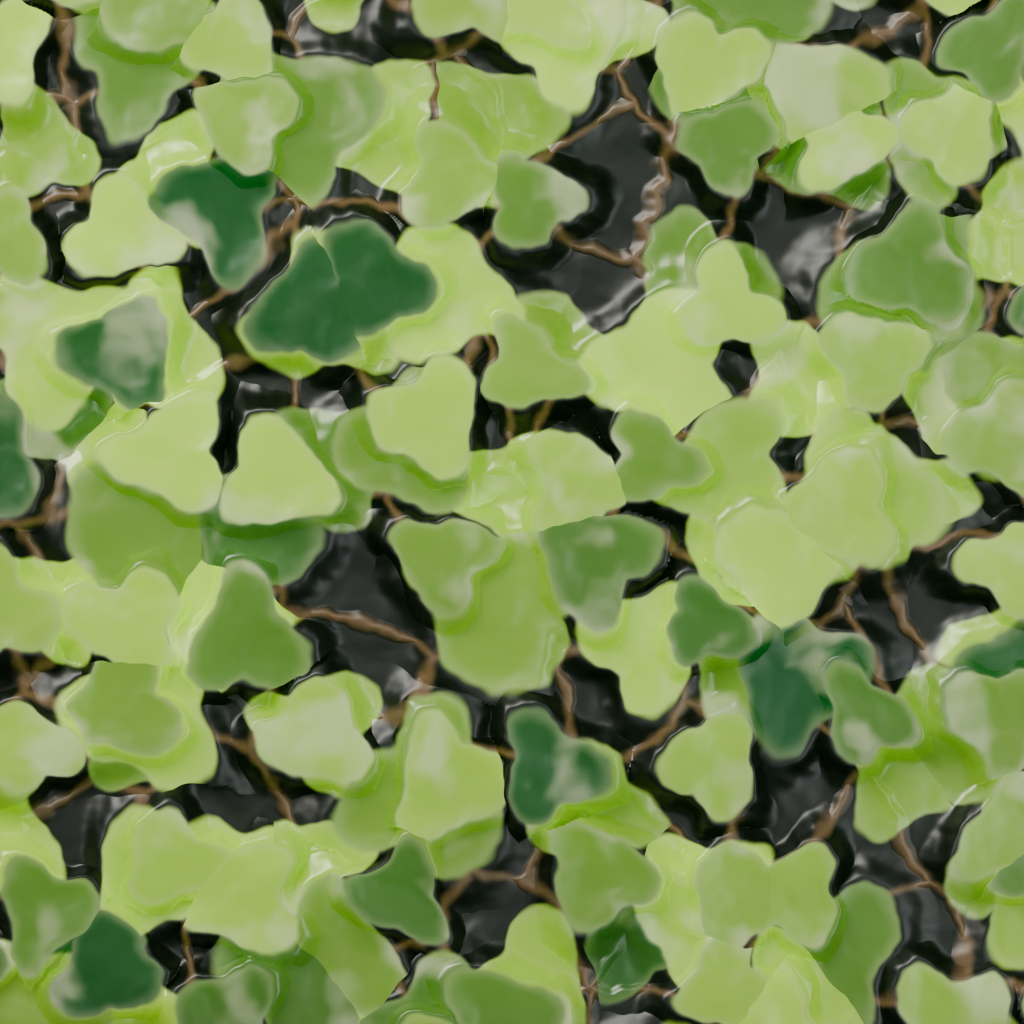
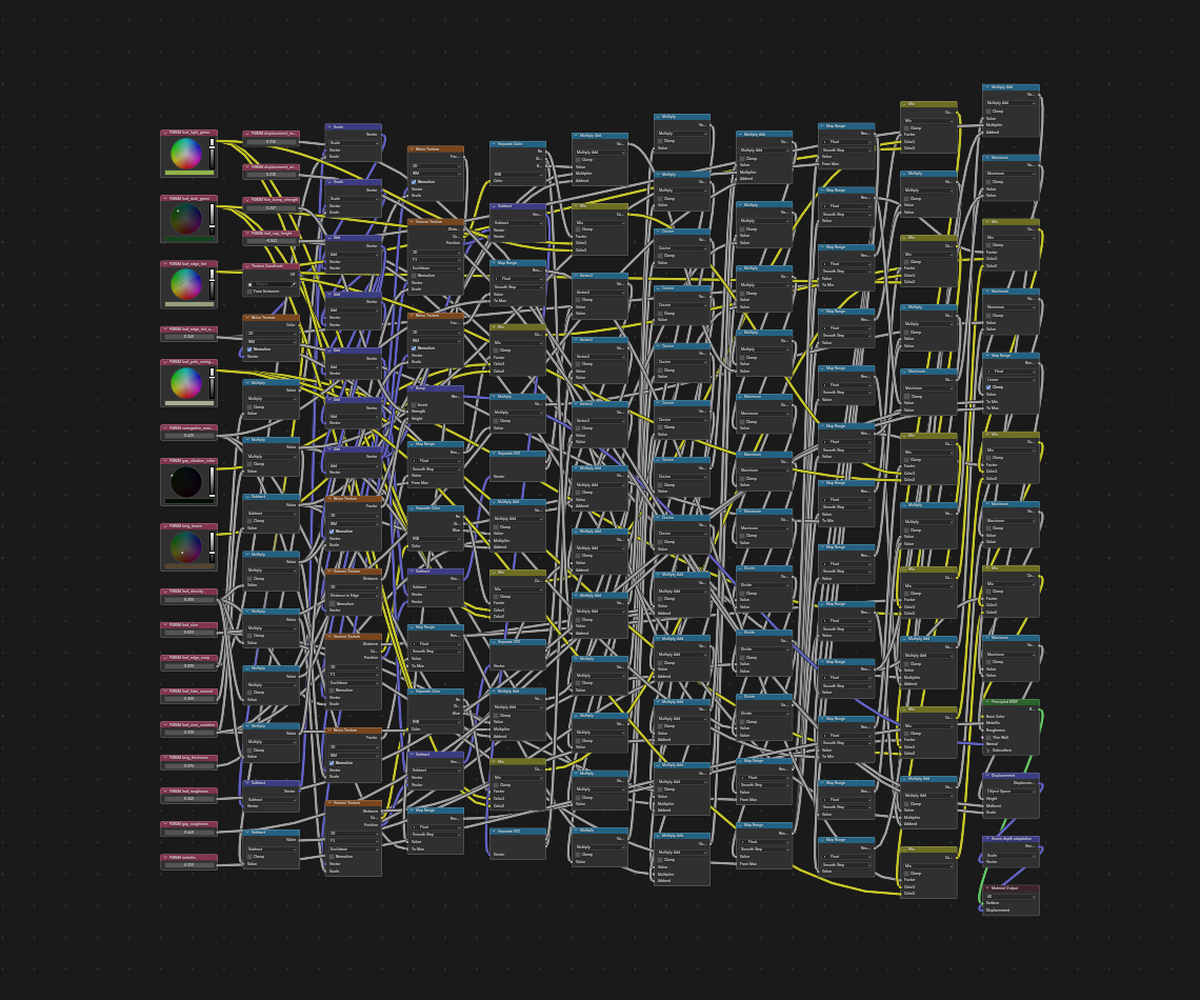
Selected results
Procedural materials
Explore inputs, motion renders, and shader graphs.
Loading materials…
VideoNeuMat comparisons
Video-to-material comparisons
Generated video and MatDuet render, playing side by side.
Loading comparisons…
Paper examples in motion
Baseline video comparisons
One reference. Five methods. A shared light and camera path.
Explore the examples from the paper figures, using the same shader versions. Each row starts with a light sweep, followed by a camera sweep. Click a video to pause; enlarge it to inspect the details.
About the references and render settings
From left to right: Reference / GT, Material Apprentice, VLMaterial (MCMC), BlenderAlchemy, VIGA, and MatDuet. All rendered panels in a row follow the same motion.
MatSynth and Blender include rendered GT. Substance GT is rendered from normal maps without calibrated height displacement. Real examples use a static input photo. VideoNeuMat examples use their original generated videos, which are observations rather than physical ground truth.
For VideoNeuMat, all 81 generated frames are matched by frame index to the method renders. The full sequence plays at the original 30 fps, without interpolation or a time shift.
Displacement and subdivision are enabled, while preserving each source shader's own displacement connection. Per-method display gains match the paper figures and stay fixed throughout each video; GT uses gain 1. These selected examples complement the quantitative results.
Loading baseline comparisons…